

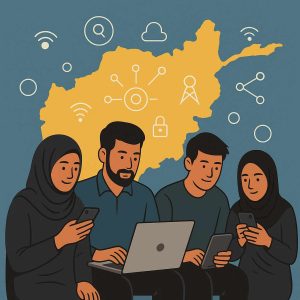

How digital health, sustainable farming and innovative marketplaces are tackling health, food security and livelihoods
Telehealth: bringing medical care to remote communities
Afghanistan’s health sector has been devastated by conflict, shortages of professionals and the closure of clinics, yet telehealth initiatives are bridging the gap. A case study presented at the United Nations’ multistakeholder forum on science and technology describes how the Telehealth Education and Clinical Support Facilities Project established six online medical education and telehealth centres across major teaching hospitals. The project trained 1,500 healthcare providers to conduct teleconsultations and is expected to benefit at least 50,000 patients annually[1]. It specifically addresses poor internet connectivity and a shortage of doctors by strengthening the capacity of out‑of‑practice practitioners—particularly female doctors—to serve remote communities[2].
The Islamic Development Bank provided a US$180 000 grant to deploy this telehealth model, known as eCAST, in partnership with the Pakistani company Educast. The funding set up six fully equipped telehealth centres and enabled the digital re‑engagement of out‑of‑practice female doctors through online education and certification[3]. These centres use low‑cost broadband aggregators to bond multiple internet connections for reliable video consultations[4] and include “clinic in a box” diagnostic kits with cameras to transmit real‑time data[5]. By creating a network of Afghan doctors locally and abroad, the project allows specialist consultations and second opinions[6], offering a model that could be expanded across the country.
Climate‑smart agriculture & digital farming: investing in resilience and jobs
Food insecurity is one of Afghanistan’s gravest challenges; as of early 2025, nearly 15 million people—about 32 % of the population—are experiencing food insecurity[7]. To address these systemic problems, the World Bank’s Climate‑Smart Agriculture Action Plan (CSAAP) lays out a 10‑year roadmap for transforming Afghanistan’s agriculture and food systems. The plan emphasizes practical solutions suitable for fragile contexts: drought‑tolerant seeds, improved irrigation, climate‑resilient livestock, solar‑powered cold storage, support for cooperatives and women producers, and better access to markets[8]. By empowering farmers—especially women and youth—these interventions position them as agents of change rather than victims of climate shocks[9].
The CSAAP could be transformative for employment. It projects 7.4 million new jobs over a decade (a 65 % increase) through investments in farming, processing and transport[10]. Most jobs (6.9 million) would be created on farms, but additional opportunities in agro‑processing and logistics would extend across the supply chain[11]. For women, participation in agriculture could rise from 5.5 million to 8.5 million with gender‑sensitive support[12]. For youth, the plan highlights roles in mechanized farming, digital agriculture technologies, modern horticulture and animal services, which could boost youth employment from 6.2 million to 10.8 million[13]. The plan also explores climate finance opportunities, aiming to reduce emissions by 375 million tons and boost private‑sector involvement through public–private partnerships and support for women‑ and youth‑led enterprises[14].
Humanitarian e‑commerce: Aseel’s marketplace and aid platform
Technology is also reshaping how Afghans access markets and humanitarian assistance. Aseel, founded in 2018 by Afghan entrepreneur Nasrat Khalid, is an Etsy‑like marketplace and aid platform. Based in Arlington, Virginia, Aseel helps artisans in Afghanistan and Turkey sell handmade goods—such as jewelry, glassware and paintings—to customers in the US, Canada and Australia[15]. Since its launch, Aseel has helped 642,500 people and facilitated US$5 million in direct aid[16]. The platform added a fundraising and aid‑delivery section that allows individuals and families to order aid packages tracked by ID cards and video confirmation[17].
One of Aseel’s key innovations is its “Buy Good” feature: because mainstream platforms like Etsy do not operate in Afghanistan, Aseel enables vendors to reach Western buyers and earn profits[18]. Sellers post products, and Aseel handles payment processing and international logistics while taking a margin to cover costs[19]. The company also offers “Do Good” services that decentralize aid by allowing local NGOs to track donations and deploy resources more transparently[20]. With 46 staff members across the US, Istanbul and Kabul, Aseel is piloting AidOS, a tool to help organizations raise and monitor funds while tracking support for women and specific provinces[21].
Lessons and challenges
These examples demonstrate the power of technology for social impact in Afghanistan. Telehealth projects show that innovative models can deliver healthcare in fragile settings, re‑engage women doctors and leverage diaspora expertise. Climate‑smart agriculture plans illustrate how digital tools and sustainable practices could create millions of jobs, improve food security and generate climate benefits. Humanitarian e‑commerce platforms like Aseel highlight how digital marketplaces can preserve cultural crafts, provide livelihoods for artisans and channel aid more transparently.
Nevertheless, these initiatives also reveal persistent challenges. Telehealth depends on reliable internet and sustained funding; climate‑smart agriculture requires large investments and stable policies; and e‑commerce ventures face regulatory barriers and limited payment options. Yet, with continued support from donors, private investors and the diaspora, these technologies can help Afghans turn crisis into opportunity, delivering health care, food security and livelihoods in ways that were unimaginable just a few years ago.
[1] [2] [3] [4] [5] [6] Mustafa_Accelerating%20Capacity%20of%20Telehealth%20in%20Afghanistan.pdf
[7] [8] [9] [10] [11] [12] [13] [14] Growing Hope and Jobs: A roadmap to sustainably revitalize Afghanistan’s agriculture and food systems
[15] [16] [17] [18] [19] [20] [21] Startup Aseel helps Afghan artists sell jewelry and crafts
https://technical.ly/entrepreneurship/startup-aseel-afghan-artists-ecommerce-arlington/